
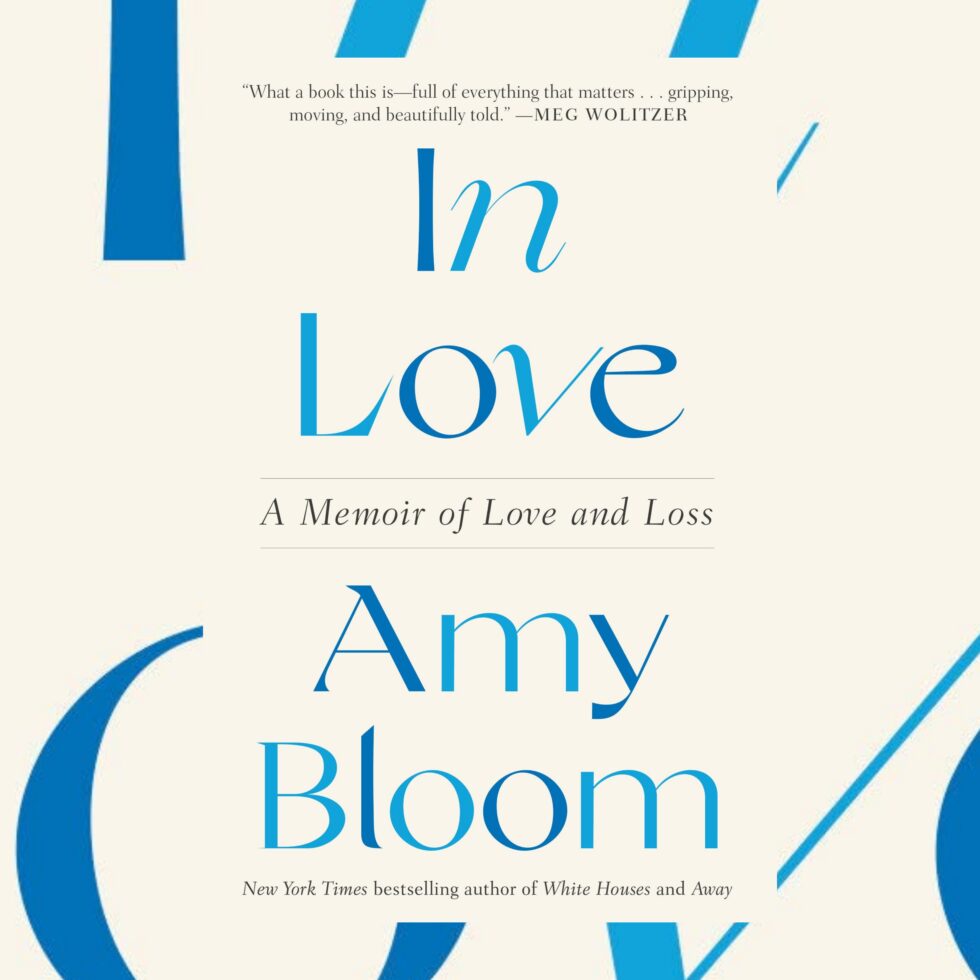
I don’t understand reviews that call it “Lovely book,” “Wonderful,” or “Nice.” I suppose the title was meant to glamorize a difficult decision, and perhaps the reviewer didn’t read this deeply thought-provoking book.
What could be ‘Nice’ or ‘Wonderful’ about bringing your loved one to die in Switzerland?
Except for reported tears and the courage to assist someone to die, I fail to see love in this account. I am not saying love didn’t exist at the time, or that it didn’t take a lot of courage to navigate this road. But the annoyance and frustration that come with cognitive issues are real, and love usually supersedes them, and a new relationship emerges.
My husband suffered TBI, and our relationship changed, but his will to live was always there, even when I thought he might give up. Of course Alzheimers is different, and it takes a lot of courage to take these steps before one is unable to make a decision. Of course, it would have been nice to have Brian speak. The fine line of their decision is imperceptible. If your spouse is annoyed by your dependency, and you can’t fix it, it is predictable that it would be best to exit. If Brian put his wife in charge, it’s also a very difficult place for her to be in.
While I applaud the courage to write about this subject, I did find the account a bit cold. Yet, since we live so much longer now, I hope that the right to die is given more importance so that others are not in that dreadful position. After closing the last chapter, I was compelled to read how others had experienced this book and pulled the numerous Amazon reviews. Many readers recognized their own story in the book across different chapters; some shared their views on Amy Bloom’s courage to bring this topic forward.
This subject is what most people don’t want to think about, yet the “Right to Die” is still so controversial at a time when it has become increasingly real as we live longer lives. The experience leaves indelible marks on someone’s life. Some readers felt the love; some didn’t and felt that Amy needed a pity party; others mentioned “No heart, no soul.” It was indeed a very factual recounting of the steps they took. The reader, a doctor, goes on saying: “This author knocked off a husband who would have become a burden. His choice? Too bad. When my husband was ill, I would have moved heaven and earth to keep him alive. I had no choice. End-stage cardiac disease took him. And he wanted to live.
Assisted suicide is a Godsend for people who have ALS or unbearable cancer pain or incurable clinical depression (which is as serious a disease as cancer, if not more. Just ask someone who suffers). Not for people who don’t want to be around. Do NOT expect to feel any pity for this author. Nor to shed a tear.”
Another reader says: “About assisted suicide, not love and loss with Alzheimer’s. .. It is obsessively about trying to help someone die rather than go through the pain of Alzheimer’s. If anything, this book is about avoiding Alzheimer’s, not going through it.” Some of the lower marks acknowledged that it must have been a very difficult memoir to write and the importance of writing about it.
Finally, a reader brought up the key point: Alzheimer’s is very difficult to diagnose; an MRI is not an answer. The author is vague in this regard and relates more to the many phone calls she had about assisted suicide than to the doctor’s visits with the various people needed to make a definitive diagnosis, such as spinal fluid exams. They both are quick to throw in the towel.
A non-emotional account. Should have been called: “For Love.” In any case, I’m glad I read it. But to me, it felt more like a journalistic piece than a love story. This was good for those reading this as a reference for how to help their loved ones. But for ‘pleasure’ reading, it was dry. So, a worthy read if you want this kind of information.
As I navigate these questions of choice in dying with my own almost 100-year-old widowed mother, it isn’t an easy step; siblings might oppose, and perhaps there is no terminal illness except for the one one might imagine. Please share your thoughts on the topic.
Review written by Nicolette Asselin, MD, Retired Geriatrician and writer.


